NAD+ 1,000mg: Scientific Overview, Biological Function, and Current Research
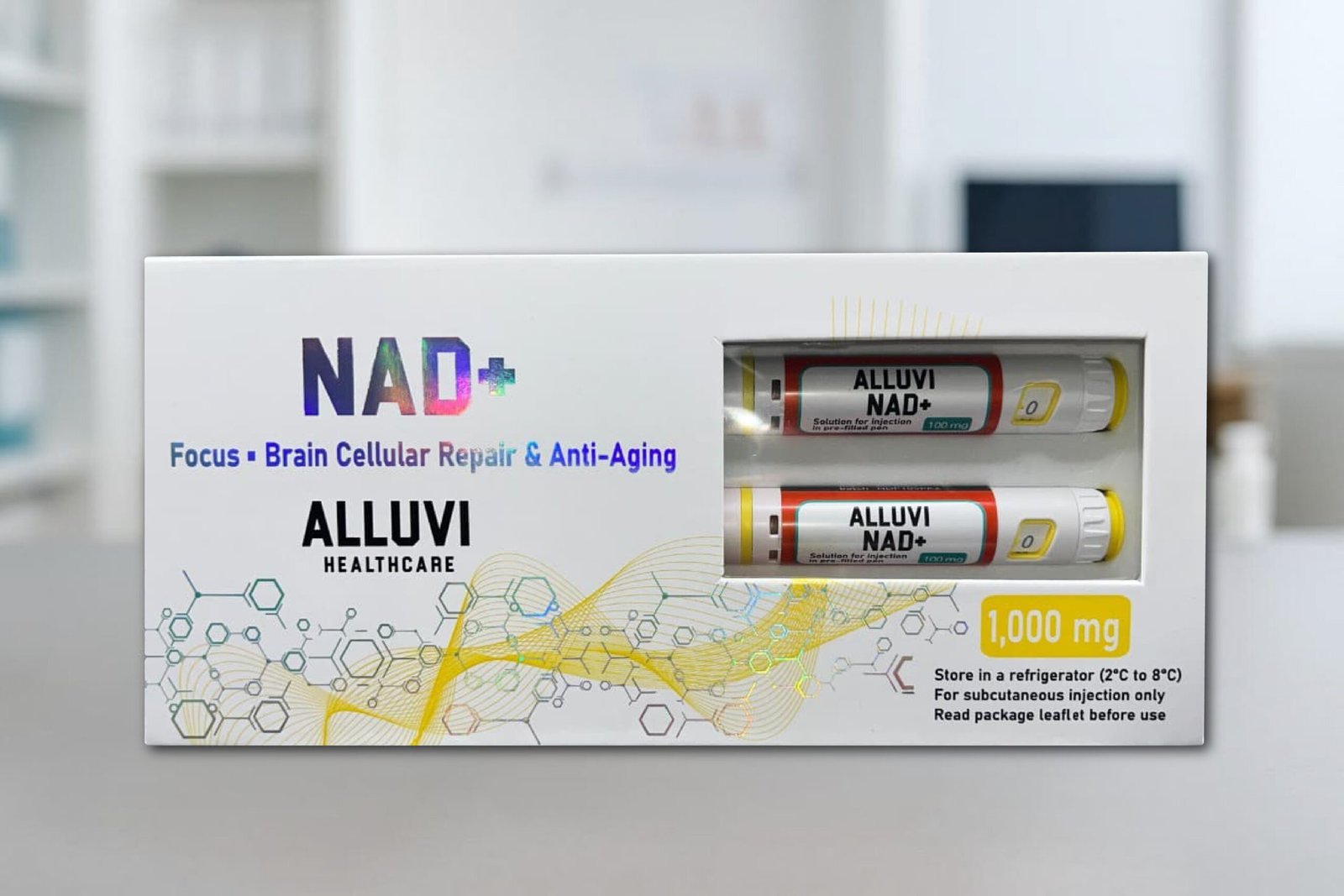
NAD+ (nicotinamide adenine dinucleotide) is a naturally occurring coenzyme found in every living cell. It plays an essential role in cellular energy production, DNA repair, and numerous metabolic processes. Interest in NAD+ 1,000mg has grown in recent years as researchers continue to investigate its role in healthy ageing, mitochondrial function, and cellular metabolism.
This page provides educational information about NAD+, its biological functions, and current areas of scientific research. It is not intended to replace professional medical advice or recommend any specific treatment.
What Is NAD+ 1,000mg?
is a coenzyme involved in hundreds of enzymatic reactions throughout the body. It is required for converting nutrients into cellular energy through processes that occur within the mitochondria. In addition to energy metabolism, NAD+ contributes to cellular signalling and supports enzymes involved in maintaining normal cellular function.
Scientists have observed that NAD+ levels may decline with age and under certain physiological conditions. This has led to increased research into the mechanisms that regulate NAD+ production and utilisation.
Biological Functions
Research has identified several important functions of NAD+, including:
- Supporting normal cellular energy metabolism.
- Participating in oxidation-reduction (redox) reactions.
- Acting as a cofactor for enzymes involved in DNA repair.
- Supporting mitochondrial function.
- Contributing to cellular signalling pathways.
- Participating in metabolic regulation.
- Supporting normal cellular homeostasis.
These functions continue to be investigated in laboratory and clinical research.
Areas of Scientific Research
Current research involving NAD+ includes studies related to:
- Cellular ageing.
- Mitochondrial biology.
- Metabolic health.
- Exercise physiology.
- Neurobiology.
- DNA repair mechanisms.
- Oxidative stress.
- Healthy ageing research.
While these fields are active areas of investigation, ongoing research is necessary to better understand the potential clinical significance of changes in NAD+ levels.
Current Evidence
Researchers continue to evaluate NAD+ biology through laboratory studies and clinical investigations. Scientific evidence is evolving, and findings from preclinical or early-stage studies should not be interpreted as proof of clinical benefit for specific health conditions.
Healthcare decisions should always be based on high-quality clinical evidence, regulatory guidance, and advice from qualified healthcare professionals.
Quality Considerations
When evaluating products related to NAD+, healthcare professionals and researchers often consider factors such as:
- Manufacturing quality.
- Batch consistency.
- Product documentation.
- Appropriate storage conditions.
- Regulatory compliance.
- Quality assurance procedures.
The importance of these factors depends on the intended use and applicable regulations.
Safety Information
Products containing NAD+ or related compounds may not be appropriate for everyone. Individuals should seek advice from a qualified healthcare professional before using any health product, particularly if they are pregnant, breastfeeding, have existing medical conditions, or are taking prescription medicines.
The safety profile, appropriate use, and regulatory status of products may differ depending on their formulation and intended purpose.
Regulatory Information in the UK
In the United Kingdom, medicines and certain health products are regulated according to their intended use and applicable legislation. Availability and regulatory requirements may differ depending on whether a product is classified as a medicine, medical device, food supplement, or research material.
Consumers should rely on information provided by qualified healthcare professionals and purchase products only through appropriate, authorised channels where required.
Frequently Asked Questions
What does NAD+ do?
NAD+ is a naturally occurring coenzyme that supports cellular energy production and many metabolic processes.
Why is NAD+ being researched?
Researchers are investigating its role in ageing, mitochondrial function, metabolism, and cellular health.
Does research continue?
Yes. NAD+ remains an active area of scientific and clinical research, with ongoing studies exploring its biological functions and potential applications.
Educational Disclaimer
This page is provided for educational purposes only and summarises current scientific knowledge about NAD+. It should not be interpreted as medical advice, treatment guidance, or a substitute for consultation with a qualified healthcare professional. Scientific understanding continues to evolve as additional research becomes available.